Hard Work and Optimism: Celebrating the 2026 Winners of the Data-Driven Corrections Awards
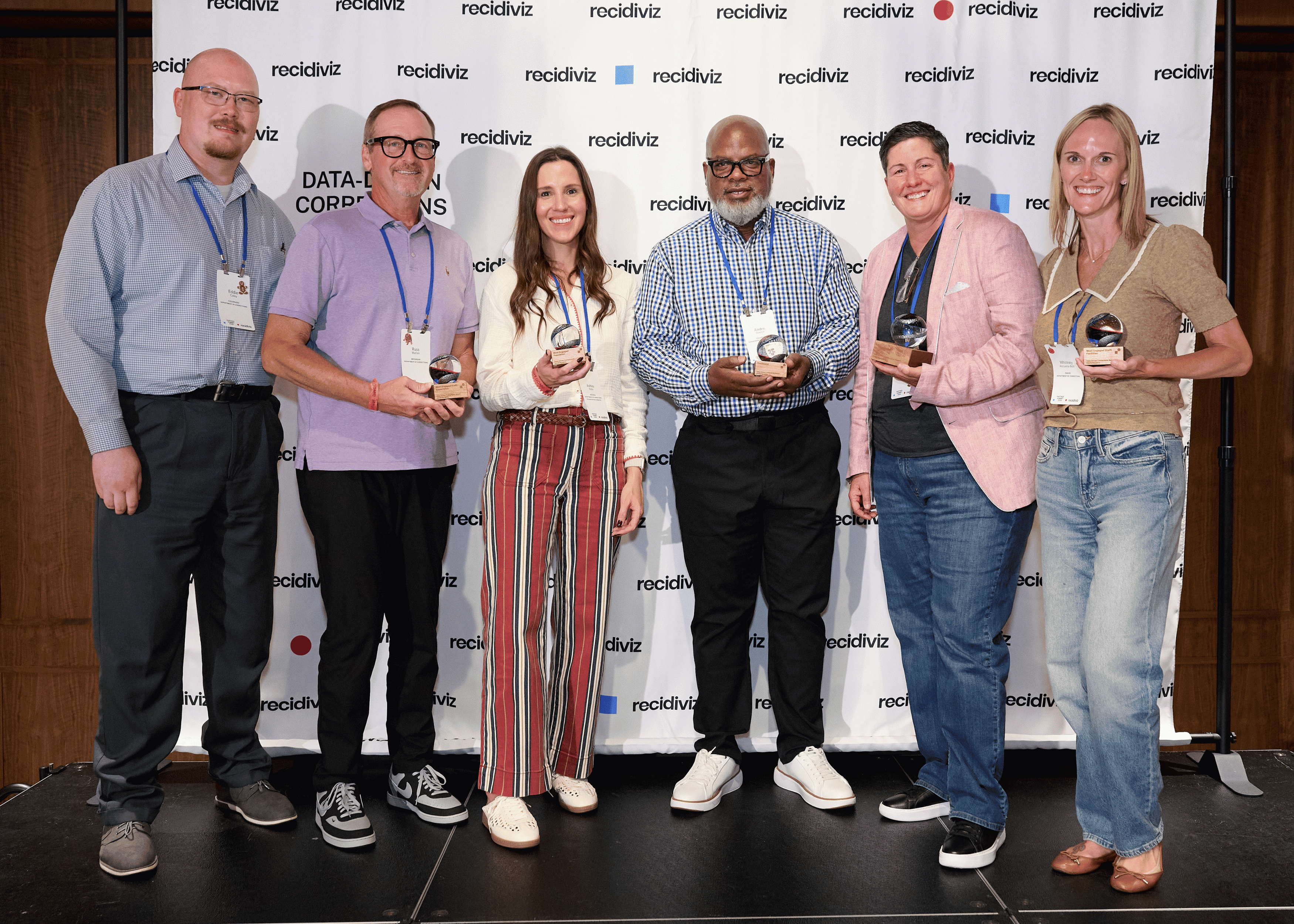
This year, we had a lot to celebrate at the Data-Driven Corrections Awards, including working with our partners to support 350,000 people safely moving through the system since 2019. That’s a number made possible through the persistence and hard work of our partners: every time a staff member tested one of our tools and gave us valuable feedback, a leader chose to rethink how their department works, and a resident became motivated to work towards a better path.
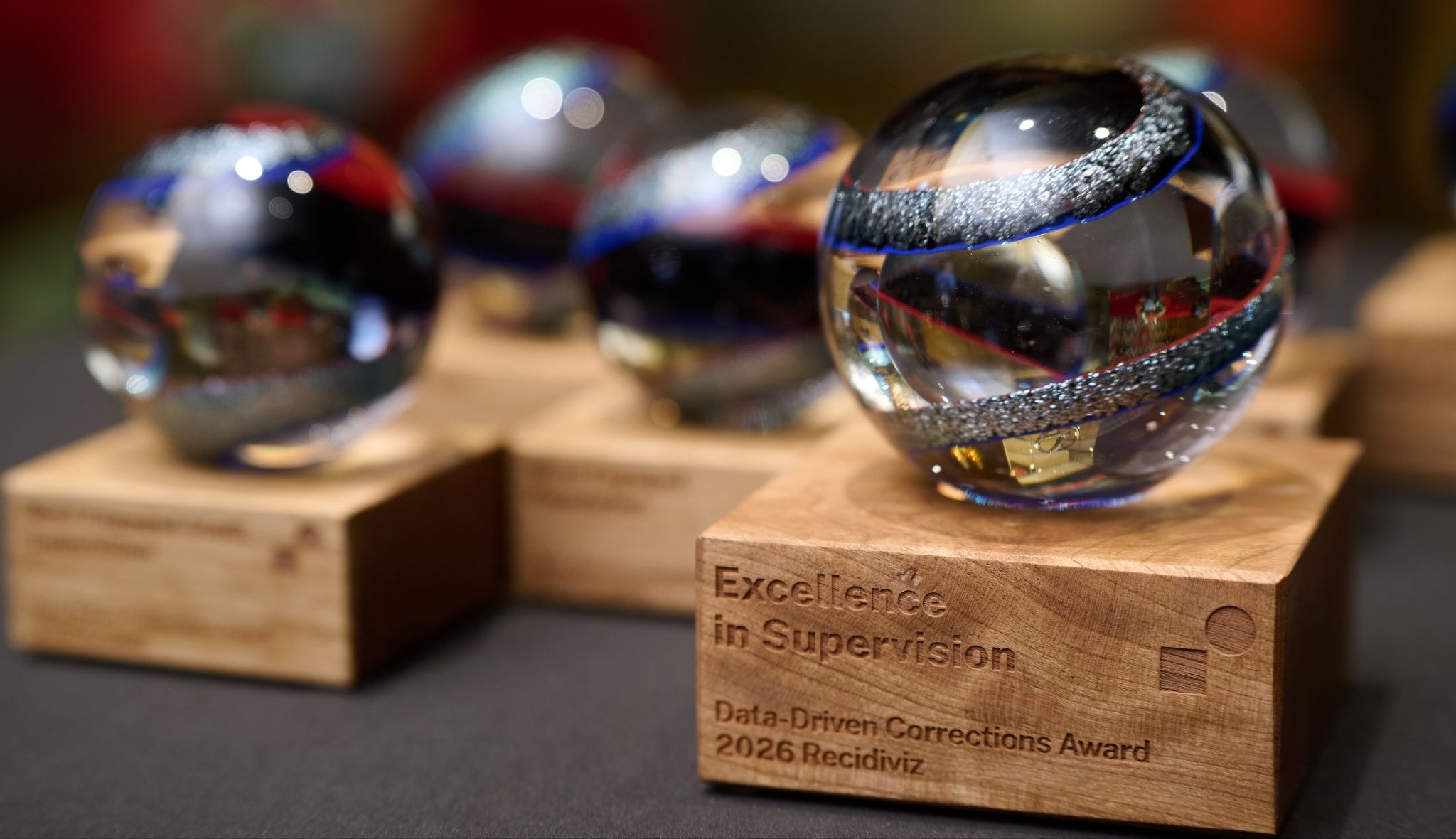
Now in its third year, the Data-Driven Corrections Awards celebrate the corrections departments using data and technology to drive outcomes for staff, incarcerated people, and the communities they return to. It was my honor to recognize these corrections departments who are pushing the boundaries of what’s possible, and I’m grateful to Steve Ballmer, co-founder of Ballmer Group Philanthropy and former CEO of Microsoft, for joining me in presenting the awards.
As Steve shared in his remarks that evening, innovating in government technology is uniquely hard work, but optimism is a force multiplier. This year’s winners were willing to do the hard work, and had the optimism to believe that they could drive better outcomes for their staff and the people they serve.
Most Engaged Staff, Supervision: Michigan Department of Corrections

The Michigan Department of Corrections’ (MDOC) supervision staff were recognized for going above and beyond to help people on probation and parole succeed in their communities. Michigan's probation and parole agents helped co-design our supervision tools, improving them for their counterparts in a dozen other states. At MDOC's request, we added a "positive outcomes" feature that highlights agents who maintain consistent communication with their clients and move them toward early discharge once they've met the requirements. Supervisors use that feature to celebrate those agents and pair them with colleagues as coaches, so best practices are spread across the state. Their input is an important reminder that these tools work best when they're built in partnership with the staff who use them.
Most Engaged Staff, Facilities: Idaho Department of Correction
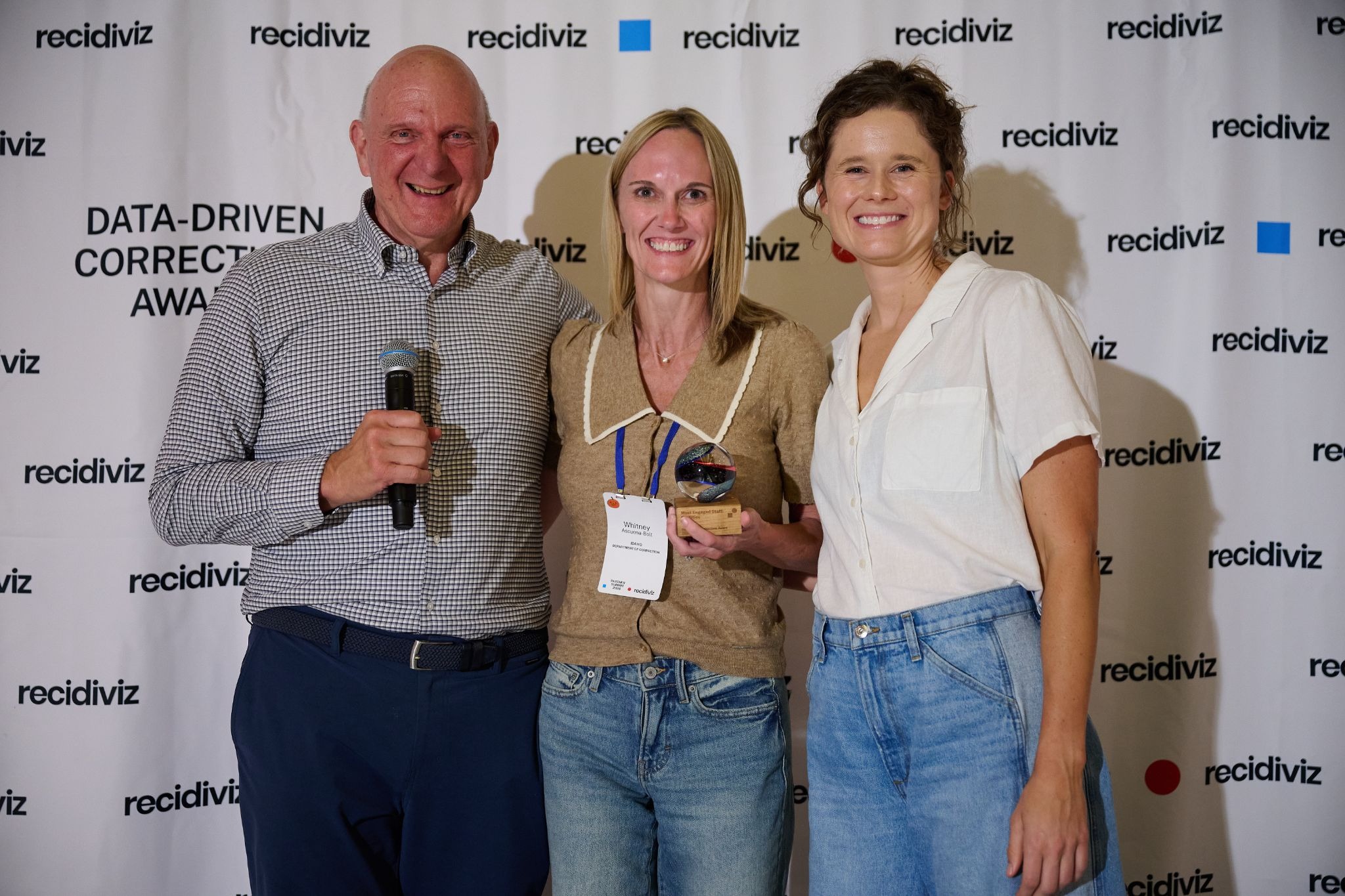
Idaho's facilities staff were recognized for embracing new tools and putting them to work for the people in their care. Getting facilities staff engaged with a new tool takes trust: trust that policies are applied accurately and that leaders are behind staff when they make decisions. The Idaho Department of Correction built that trust when it rolled out a new tool for identifying people eligible for classification reviews. Staff’s hands-on support turned a manual, time-intensive process into one that’s streamlined and impactful, driving 900 proactive classification reviews, which helped ensure people incarcerated in Idaho are in the right bed at the right time, given their risk and needs.
Most Engaged Population: Arizona Department of Corrections, Rehabilitation & Reentry
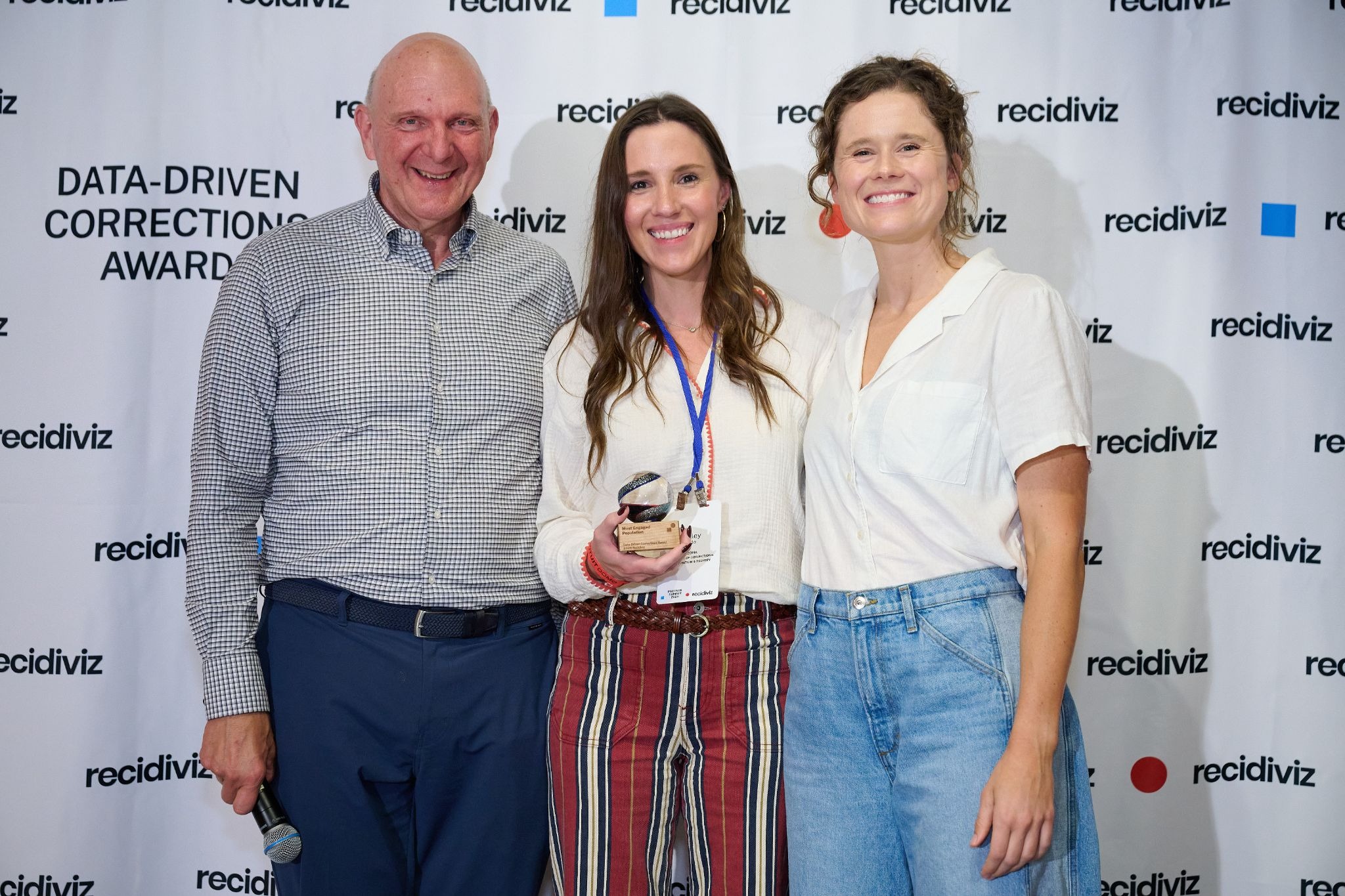
This year, we introduced a new award to recognize departments that are putting information directly in the hands of incarcerated people, helping them learn more about their sentences, while freeing up staff to focus on deeper conversations about what comes next. Arizona took home the inaugural prize, with the Opportunities tablet app live in every facility across the state. Over 33,000 incarcerated people in Arizona have logged into the app to check their sentence dates. That level of engagement didn't happen by accident. Arizona's Time Comp team worked diligently to make sure the information in the app is accurate and useful, while staff trained peer support specialists to spread awareness across facilities.
“When individuals have clear, accurate information about their sentences, they can plan for their future with confidence, which empowers our staff to focus on the conversations that matter most,” said Dr. Ryan Thornell, Director of ADCRR. “I am incredibly proud of the team across all of our facilities whose hard work and spirit of service made this recognition possible.“
Excellence in Supervision: Iowa Department of Corrections
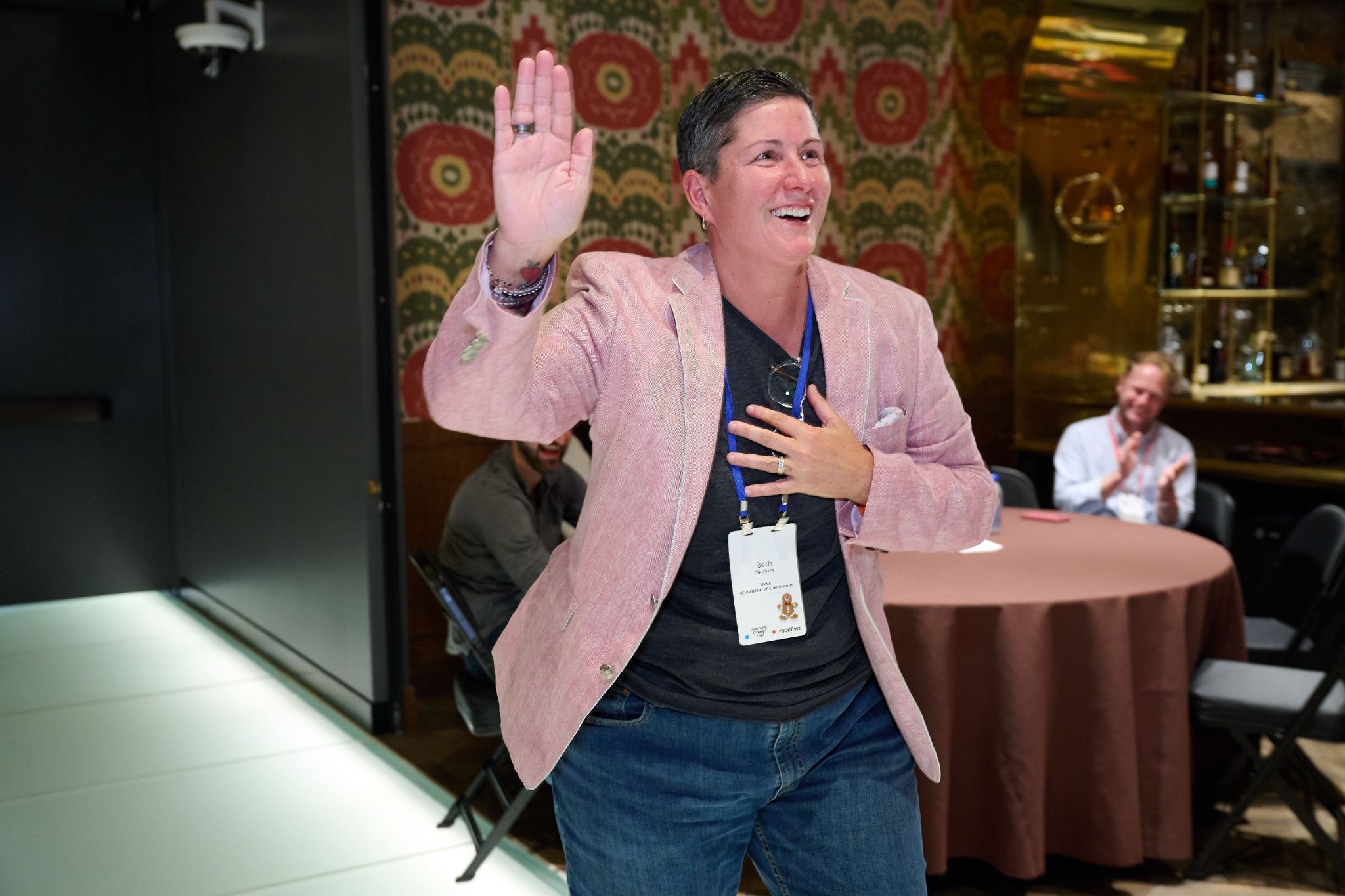
The Excellence in Supervision award celebrates the department safely moving people onto their best path in the community. Iowa earned it by redesigning its early discharge policy and then implementing it exceptionally well. When someone becomes eligible, Iowa supervision staff review their case quickly and efficiently. Iowa made these changes thoughtfully, setting up a working group with staff representatives from each district to advise on both the policy and the tool. Every early discharge reflects someone doing well in their community, and Iowa is helping more people reach that point sooner.
“Iowa’s early discharge policy recognizes that when someone has met the requirements of their supervision, they should be able to move forward, and that this should happen consistently across the state,” said Dr. Beth Skinner, Director of IDOC. “Every discharge represents someone who is doing well in their community, and I’m thrilled that Iowa’s probation and parole officers were recognized for their excellent supervision work in helping people reach that point.”
Trailblazer: Colorado Department of Corrections
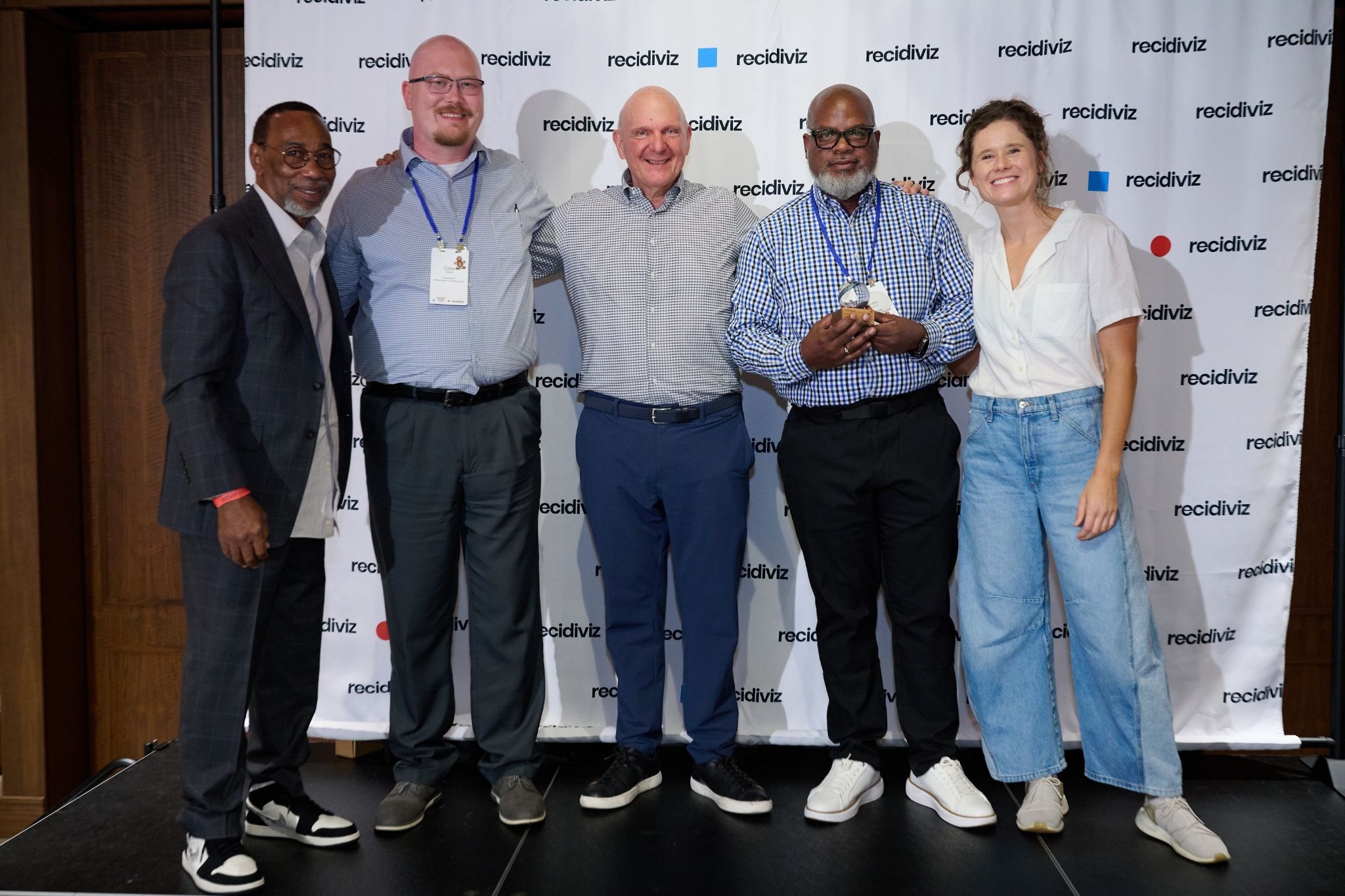
The Trailblazer award—the unofficial “people’s choice award,” celebrates projects that are at the forefront of using data and technology to drive outcomes. Colorado extended earned time eligibility to include participation in work assignments and completion of eligible digital programming through Edovo. CDOC not only broadened access to achievement earned time, but automated the process for rewarding credits. It also developed a program catalog that incarcerated people can access on their tablets, helping them understand which programs qualify for earned time.
It was only fitting that Larry Miller, former team president of the Portland Trail Blazers, co-chair of the Second Chance Business Coalition, and co-founder of the Justice and Upward Mobility Project (JUMP), joined us on stage to present the award to the Colorado team.
Congratulations again to this year’s winners—here’s to another year of hard work and optimism.


